Website Strategy · 5 min read
How a strong hero section changes perception
A hero section is not decoration. It is the first sales conversation, the first trust signal, and the first chance to make a business feel worth contacting.
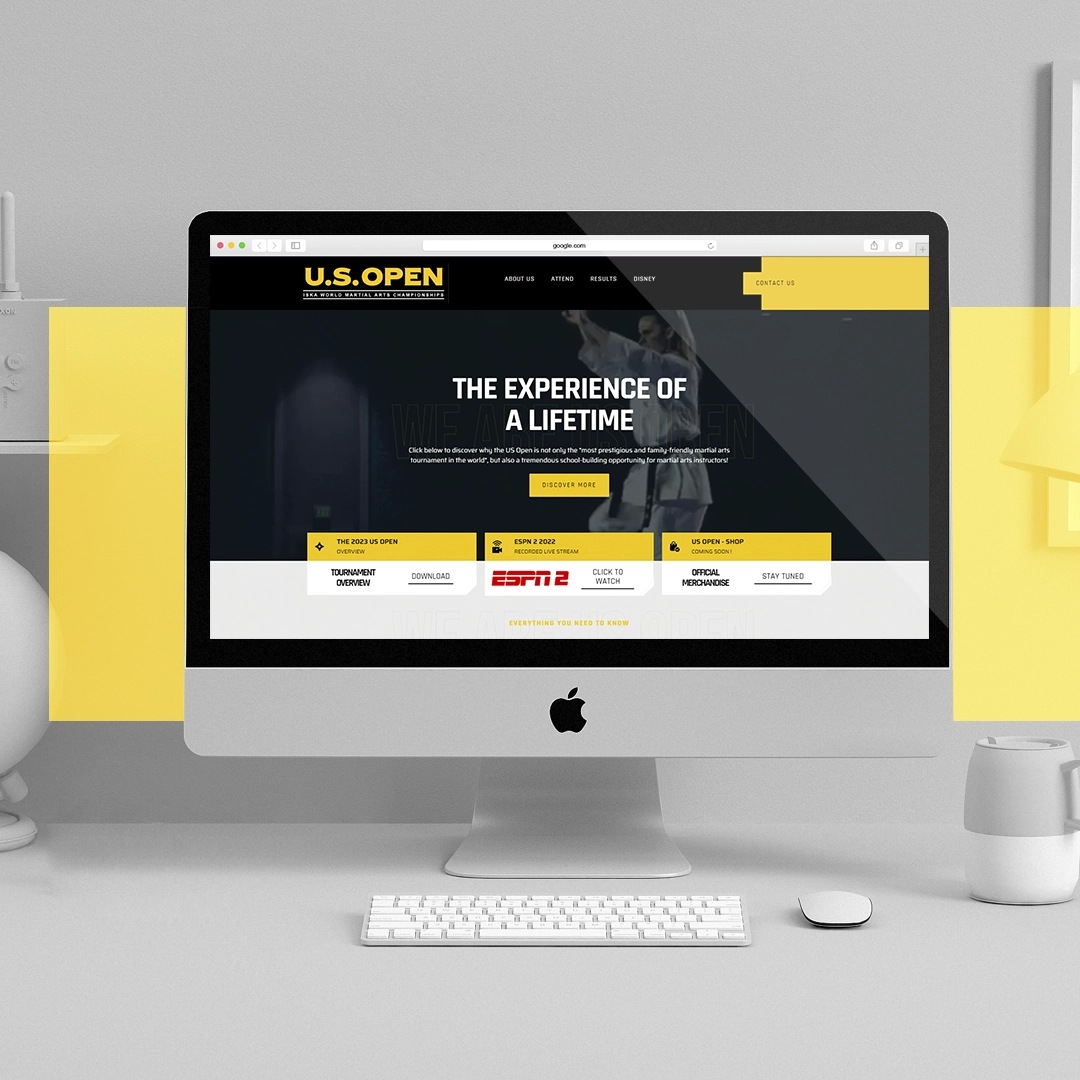
The job of the hero
In a digital agency website, the hero section does far more than look attractive. It shapes the first impression, frames the offer, and sets the emotional tone for the rest of the page.
When a visitor lands on a homepage, they are not reading with patience. They are scanning for confidence, clarity, and relevance. That is why a hero section has to answer three questions immediately: what do you do, who is it for, and why should I trust you now?
For Fast Answer Agency, that opening section must instantly signal premium design, strategic thinking, and a serious commercial mindset. If it fails to do that, the rest of the page is already fighting an uphill battle.
Positioning and clarity
For Fast Answer Agency, the hero has to communicate premium design, strategic thinking, and business credibility at a glance.
If the headline is generic, the page instantly feels like a template. If the visual is weak, the brand feels smaller than it should. If the call to action is vague, the visitor hesitates.
A strong hero creates a clear lane for the brand. It tells the visitor exactly what kind of agency this is and why the offer matters right now.
Website Strategy
Why the layout matters
A strong hero section starts with positioning. The language must be specific enough to attract the right audience, but broad enough to feel useful to a variety of businesses.
For a Miami digital agency, that means speaking to brands that want stronger websites, cleaner presentation, and better conversion flow. The message should feel direct, commercial, and confident.
The layout should reinforce that promise through spacing, contrast, and balance. Nothing should feel accidental. Every line of copy and every image crop needs a purpose.
What premium looks like
Visual hierarchy matters just as much as the words. The hero image or visual block should feel intentional, premium, and brand-aligned.
A strong hero often pairs a dark, confident text zone with a bright, highly legible image zone. That contrast gives the page a more editorial feel and helps the content feel expensive.
Premium does not mean crowded. It means refined, selective, and controlled. The design should leave room for the message to breathe.
- Keep the headline short and meaningful.
- Use one clear image that supports the promise.
- Make the CTA active and specific.
Why Miami belongs in the copy
Location signals can also help. When the business serves Miami, Florida, that should be reflected naturally in the copy.
A well-placed reference to Miami helps with local relevance, SEO, and audience trust. It also makes the agency feel grounded and real.
This is especially important for a digital agency that wants to feel local, responsive, and familiar to businesses in the area. Geographic relevance can quietly increase trust without making the page feel repetitive.
The takeaway
Ultimately, a strong hero section does not just introduce a website. It changes how the business is perceived.
It raises trust, lowers friction, and creates momentum. That is why the first section of a landing page should be treated like a strategic asset, not a decorative banner.
When the hero is doing its job, the rest of the page becomes easier to understand. The visitor has already been oriented, and that makes every later section more effective.
Practical checklist
Before publishing a hero section, review the headline, supporting copy, image choice, and CTA as one system.
Ask whether the section feels premium, whether it explains the offer quickly, and whether it gives the visitor a clear next step.
If the answer to any of those is no, the hero needs another pass before the page goes live.
It also helps to read the section aloud. If the wording feels clunky or too salesy when spoken, the copy probably needs to be tightened.
- Does the headline say what the agency actually does?
- Does the image feel intentional and not generic?
- Is the call to action easy to understand?
A note on tone
Premium writing is not about sounding complicated. It is about sounding clear enough that the right client feels understood.
That means the hero should avoid filler, avoid repetition, and avoid language that tries too hard to sound creative.
Confidence usually reads better than cleverness.
The best opening lines sound like they were written by someone who knows the business, not by someone trying to impress the reader.
What the section should create
The hero should create curiosity, not confusion.
It should make the visitor feel that the rest of the page is worth their time and that the agency is prepared to solve a real problem.
When that happens, the homepage starts working as a sales tool instead of a static introduction.
That first section is also where the brand tone gets established. If the tone is right there, the rest of the journey becomes much easier.
Why this matters for conversion
A visitor who understands the offer quickly is more likely to continue scrolling.
A visitor who feels the business is credible is more likely to trust the CTA.
That is why the hero deserves the most attention: it influences the rest of the session before the reader has even made a conscious decision.
Want more?
Visit the full portfolio or start a project with Fast Answer Agency.