Brand Systems · 6 min read
The best assets to use when you already have good photos
Having good photos is not enough. The real advantage comes from selecting the right assets, converting them properly, and placing them with purpose.
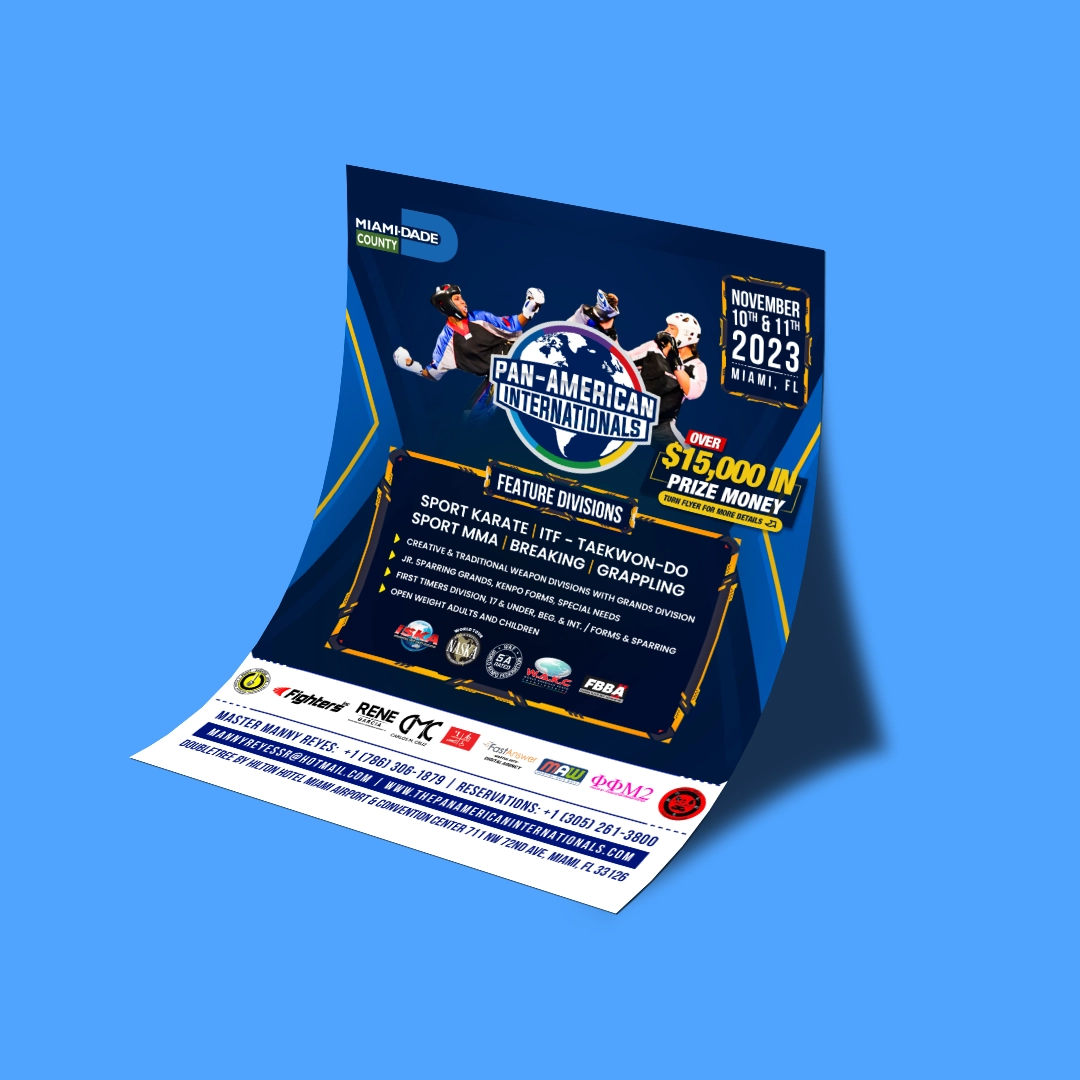
Selection is everything
Many businesses already have strong photography, logos, mockups, and brand visuals, yet their website still feels underwhelming.
The problem is rarely a lack of content. More often, the issue is selection.
When the selection is right, even a simple layout can feel refined and premium because the materials are doing the heavy lifting.
Use the right image in the right moment
The hero section should use the image that best communicates the brand promise.
That does not always mean the most detailed photo. Sometimes the best choice is the cleanest preview, the most premium composition, or the asset that immediately feels aligned with the offer.
The goal is not to impress with noise. The goal is to create recognition, confidence, and curiosity at the same time.
Brand Systems
Build a system, not a collage
Once the hero is established, supporting assets need to do a different job.
They should reinforce variety without breaking the visual language so the page feels like one system, not a collage.
That means using image crops, spacing, and color treatment consistently so the page feels designed instead of assembled.
Performance matters too
File optimization also matters. Large images can slow down a page, and that harms both user experience and SEO.
Converting visuals to WebP is one of the simplest ways to keep performance high without sacrificing quality.
A fast website feels more professional. It also supports better mobile browsing, which matters a lot for clients discovering an agency from their phone.
Tell a visual story
A good website does not just present images. It sequences them.
A featured image introduces the work, a secondary image adds context, and a small detail shot can reinforce attention to craft.
This layered approach feels more editorial and gives the visitor more reasons to keep scrolling.
Curation creates value
When a business already has good photos, the job is not to overwhelm the visitor with more. The job is to curate.
Curation is where the design value becomes visible. It is the difference between a folder full of assets and a landing page that feels like a premium brand experience.
The best agencies know when to stop. They do not use every asset they have. They use the ones that strengthen the story.
- Choose fewer, better visuals.
- Convert them properly.
- Give each one a clear role.
The agency mindset
A strong asset strategy is part design judgment and part restraint.
It is about knowing which image should lead, which image should support, and which image should simply stay out of the way.
That kind of curation is what makes a digital agency feel premium rather than busy.
In other words, the visual system should feel edited. If it feels random, the brand loses authority fast.
Simple rules that help
If the visuals are already strong, the safest move is usually to simplify the layout around them.
Let one image carry the section, let one detail shot support it, and let the rest of the page breathe.
That approach keeps the site elegant and avoids making the homepage feel like a scrapbook.
It also helps the business look more selective, which is often what premium clients respond to.
What clients actually notice
Clients may not name every design decision, but they absolutely notice the result.
They notice whether the page feels professional, whether the imagery feels cohesive, and whether the brand seems serious about presentation.
That is why asset selection should always be treated as a business decision, not just a design one.
Good selection makes the business look sharper, faster, and more ready to be trusted.
A final practical note
If you already have strong photography, do not bury it under too many effects.
Let the image breathe, let the copy support it, and let the layout stay disciplined.
That is usually the simplest path to a website that looks premium without trying too hard.
A restrained approach usually ages better too, which matters when the site needs to stay relevant for more than one season.
Why restraint wins
Restraint makes the work feel more confident.
It tells the viewer that the brand does not need to over-explain itself because the quality is already visible.
That is exactly the kind of impression a premium Miami agency should aim for.
When the page is clean and selective, the strongest assets become more memorable.
A final standard
The standard should always be simple: if the asset does not improve clarity, trust, or perceived quality, it should not lead the page.
That rule keeps the website focused and protects the premium feel.
It also makes the content easier for visitors to absorb on a first pass.
Over time, that kind of discipline helps the brand feel more consistent across every digital touchpoint.
Why the rule matters
The rule matters because visual systems can quickly become messy when every asset is treated as equally important.
If the team chooses carefully, the strongest images do the heavy lifting and the page feels more refined.
That is a much stronger signal for a serious design agency than a homepage packed with every image available.
Want more?
Visit the full portfolio or start a project with Fast Answer Agency.